Trezor Hardware Wallet (Official) | Bitcoin & Crypto
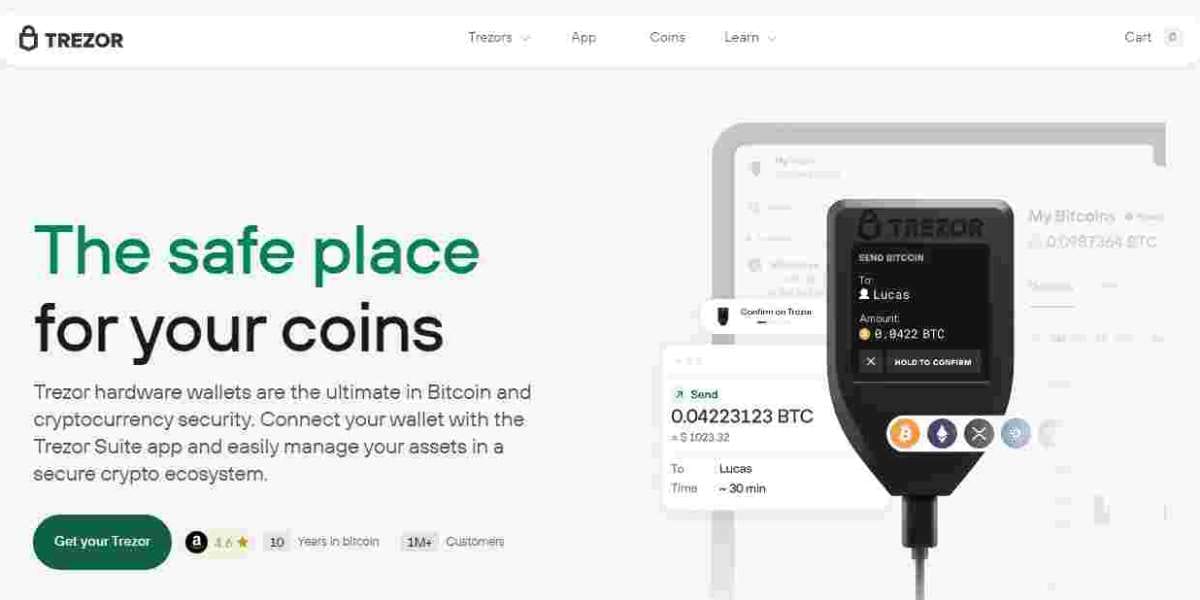
In the rapidly evolving world of cryptocurrency, securing your assets is more important than ever. As digital currencies like Bitcoin, Ethereum, and other altcoins continue to rise in popularity, so does the risk of hacking, phishing, and theft. One of the most reliable and secure ways to store your crypto holdings is by using a hardware wallet.
Among the various options available, Trezor stands out as one of the most trusted and widely used hardware wallets in the cryptocurrency community. But what exactly is a Trezor wallet, and why should you consider using one to store your digital assets? In this blog, we’ll take a deep dive into Trezor hardware wallets, their features, security benefits, and why they are a top choice for crypto enthusiasts.
What is a Trezor Hardware Wallet?
A hardware wallet is a physical device used to securely store your cryptocurrency private keys offline. It acts as a safeguard against cyber threats by ensuring that your private keys are never exposed to the internet. This minimizes the risk of hacking, phishing attacks, and malware infections that could compromise your holdings.
Trezor, created by SatoshiLabs, was the first-ever hardware wallet and remains one of the most reputable brands in the market today. The wallet allows users to store their private keys offline, meaning that even if your computer or mobile device gets hacked, your crypto assets remain secure. The Trezor device itself can be connected to a computer or smartphone to facilitate transactions, but your private keys are never exposed to the internet.
Types of Trezor Hardware Wallets
Trezor currently offers two types of hardware wallets: Trezor One and Trezor Model T.
1. Trezor One
The Trezor One is the entry-level model, designed for users who want robust security at an affordable price. It supports a wide range of cryptocurrencies, including Bitcoin, Ethereum, Litecoin, and many others. The Trezor One features a simple two-button interface and a small OLED screen for easy navigation. While it doesn’t have a touchscreen like the Model T, it remains a reliable and cost-effective option for securing your digital assets.
Key Features:
- Affordable: One of the most budget-friendly hardware wallets on the market.
- Wide crypto support: Supports over 1,000 cryptocurrencies, including Bitcoin, Ethereum, Litecoin, and ERC-20 tokens.
- Simple Interface: The two-button design and OLED screen make it easy to use and set up.
2. Trezor Model T
The Trezor Model T is the premium model, designed for users who require additional features and enhanced user experience. It comes with a large color touchscreen, making it more user-friendly compared to the Trezor One. Additionally, the Model T supports a wider range of cryptocurrencies and has improved security features such as a microSD card slot for additional encryption options.
Key Features:
- Touchscreen: A large color touchscreen for easier navigation.
- Enhanced security: Added features like the microSD card slot for encrypted backups.
- Wide range of supported cryptocurrencies: Includes Bitcoin, Ethereum, Monero, Ripple, and many others.
- Password Manager: A built-in password manager for securing login credentials.
Why Choose Trezor? Key Benefits
1. Unmatched Security
The primary reason to choose a Trezor hardware wallet is security. Trezor devices keep your private keys offline, which makes them almost impossible to hack remotely. Even if a hacker gains access to your computer or phone, your private keys will remain safe on the device itself.
Trezor also supports passphrase protection, adding an extra layer of security by requiring a user-defined passphrase along with your recovery seed. The passphrase is never stored on the device, making it more difficult for attackers to break into your wallet.
2. Backup and Recovery
Trezor wallets come with a recovery seed (a series of 12-24 words) that you can use to recover your wallet in case it’s lost, damaged, or stolen. This backup ensures that you won’t lose access to your crypto assets even if something happens to your device.
When setting up your Trezor wallet, you’ll be prompted to write down the recovery seed on a piece of paper. It’s crucial that you store this seed in a safe and secure location because anyone with access to your recovery seed can potentially access your wallet.
3. User-Friendly Interface
Both Trezor One and Trezor Model T feature intuitive and easy-to-navigate interfaces. The Trezor wallet is designed with beginners in mind, making it easy for anyone to start using cryptocurrency securely. The setup process is simple, and you can easily send and receive transactions using the Trezor Suite, the accompanying software interface that works with the hardware wallet.
With the Trezor Model T’s touchscreen, users enjoy an even more streamlined experience. This feature eliminates the need to rely on your computer’s mouse or keyboard, reducing the potential for phishing attacks or malware.
4. Wide Cryptocurrency Support
Trezor supports a broad range of cryptocurrencies, including Bitcoin (BTC), Ethereum (ETH), Litecoin (LTC), Bitcoin Cash (BCH), and many ERC-20 tokens. In addition, the Trezor Model T supports even more obscure coins like Monero (XMR), Dash (DASH), and Zcash (ZEC). The wide variety of supported assets makes Trezor a great choice for multi-asset investors.
5. Open-Source and Transparent
Trezor wallets are open-source, meaning the community can inspect and audit the device's code to ensure there are no vulnerabilities. This level of transparency is crucial for security-conscious users who want to make sure their hardware wallet is built with best practices in mind.
SatoshiLabs, the company behind Trezor, has a long-standing reputation for transparency and has published extensive documentation on their website regarding the wallet’s firmware, security audits, and design principles.
6. Compatibility with Other Services
Trezor is compatible with various third-party services, including Exodus, Electrum, Mycelium, and MetaMask. This gives you flexibility when managing your crypto holdings and interacting with decentralized applications (dApps) or decentralized finance (DeFi) platforms.
How to Use a Trezor Hardware Wallet
Using a Trezor wallet is straightforward. Here’s a quick overview of the steps:
- Purchase the Trezor Device: Always buy directly from the official Trezor website or authorized retailers to avoid counterfeit devices.
- Set Up the Wallet: Connect your Trezor device to your computer and follow the setup instructions. You’ll be prompted to create a PIN code and write down your recovery seed.
- Install Trezor Suite: Download the Trezor Suite software (available for Windows, macOS, and Linux) to manage your crypto assets. Alternatively, you can use Trezor's web interface.
- Send and Receive Cryptocurrency: To send or receive cryptocurrency, connect your Trezor wallet to the computer or mobile device, verify the transaction on the device’s screen, and confirm the transfer.
- Backup Your Recovery Seed: Store your recovery seed in a secure location. It’s the key to restoring your wallet in case of theft, loss, or damage.
Final Thoughts
Trezor hardware wallets are among the most secure, reliable, and user-friendly options available for cryptocurrency storage. Whether you're a beginner looking for a simple way to protect your investments or an experienced crypto trader in need of advanced features, Trezor has a solution for you.