Trezor Hardware Wallet: Guide to Securing Your Crypto
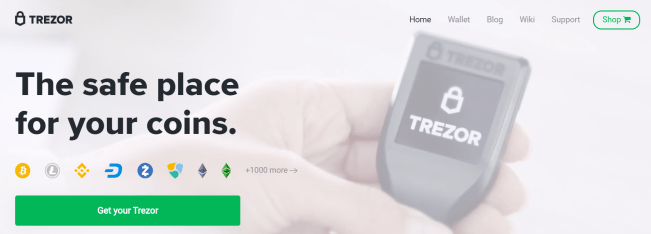
As the world of cryptocurrency continues to evolve, so do the threats facing digital asset holders. From online scams to hacking attempts, the security of your crypto holdings is more important than ever. One of the best ways to safeguard your cryptocurrency is through the use of a hardware wallet, and Trezor is one of the most trusted names in the industry.
In this blog post, we'll explore what the Trezor hardware wallet is, how it works, and why it’s a top choice for anyone serious about securing their digital assets.
What is a Trezor Hardware Wallet?
A hardware wallet is a physical device used to store the private keys to your cryptocurrency. These private keys are essentially the "passwords" that allow you to access and manage your crypto funds. Unlike online wallets or exchange-based wallets, hardware wallets like Trezor store your keys offline, which makes them much less vulnerable to hacking, phishing attacks, and other online threats.
Trezor was one of the first hardware wallets to enter the market in 2014, and it quickly gained popularity for its robust security features, ease of use, and the fact that it supports a wide variety of cryptocurrencies.
Key Features of the Trezor Hardware Wallet
1. Security
- Offline Storage: The main benefit of a hardware wallet is that it stores your private keys offline, which means they are not exposed to potential online threats. Even if your computer or smartphone is compromised, your crypto assets are safe.
- PIN Protection: When you set up your Trezor wallet, you will be prompted to create a PIN. This adds an additional layer of security, ensuring that only you can access the wallet.
- Recovery Seed: During setup, Trezor generates a 12-24 word recovery seed. This seed is the key to restoring your wallet if the device is lost or damaged. It's crucial to keep this seed secure, as anyone with access to it can recover your wallet.
- Passphrase Support: You can add an additional passphrase for further protection. Even if someone gets your recovery seed, they won’t be able to access your funds without the passphrase.
2. Wide Cryptocurrency Support
Trezor supports a wide range of cryptocurrencies, including Bitcoin (BTC), Ethereum (ETH), Litecoin (LTC), and many others. It can store both Bitcoin-based assets and altcoins like Ripple (XRP), Cardano (ADA), and various ERC-20 tokens.
The Trezor wallet works seamlessly with popular software wallets like Trezor Suite (the official wallet software), Electrum, and MyEtherWallet. This flexibility makes it a versatile choice for anyone managing multiple types of digital assets.
3. User-Friendly Interface
Despite its advanced security features, Trezor's hardware wallet is surprisingly easy to use. The device itself has a simple display and two buttons for navigation. Once set up, sending or receiving crypto is intuitive and requires you to physically confirm actions by pressing buttons on the device, ensuring that no unauthorized transactions occur.
4. Compatibility
Trezor wallets are compatible with various operating systems like Windows, macOS, Linux, and Android. They can also connect to your computer via USB, and some models even support Bluetooth for mobile device integration, offering flexibility and convenience for users on the go.
5. Open Source
Trezor is an open-source project, which means that anyone can inspect, verify, and improve the software. This transparency adds an extra layer of trust, as the community can review the code for potential vulnerabilities and help to patch them quickly.
How Does Trezor Work?
When you purchase a Trezor hardware wallet, it comes pre-configured with security features to ensure that your funds are safe. Here's a quick overview of how Trezor works:
- Initialization: After setting up your device, you will be asked to generate a recovery seed, which is a list of 12-24 words. This is critical for restoring access to your wallet if something happens to your device.
- Private Keys: Your private keys never leave the device. When you want to make a transaction, you connect your Trezor to your computer or mobile device, sign the transaction on the Trezor screen, and then broadcast it to the network. Since the private key stays on the device, it’s never exposed to the internet, ensuring that no one can steal your assets remotely.
- Transaction Confirmation: For each transaction, the Trezor device will ask you to physically confirm it on the device’s screen. This ensures that even if your computer is compromised, the transaction cannot be completed without your approval.
Why Choose Trezor?
1. Established Reputation
Trezor was one of the first hardware wallets to hit the market, and it has since built a strong reputation for reliability and security. It is widely regarded as one of the most secure and user-friendly hardware wallets available.
2. Regular Updates
Trezor consistently updates its software and firmware to stay ahead of potential threats. These updates are easy to install and ensure that the device continues to offer the highest level of security.
3. Dedicated Support
Trezor offers excellent customer support. Whether you're troubleshooting a technical issue or need help understanding how to use the wallet, Trezor’s support team is available to assist.
4. Multiple Models
Trezor offers two hardware wallet models: the Trezor One and the Trezor Model T.
- Trezor One: The more affordable option, Trezor One provides essential security features and supports a wide range of cryptocurrencies.
- Trezor Model T: The premium model, which includes a touch screen, improved security features, and more advanced functionality.