Trézor.io/Start | Getting Started & Secure Device Setup
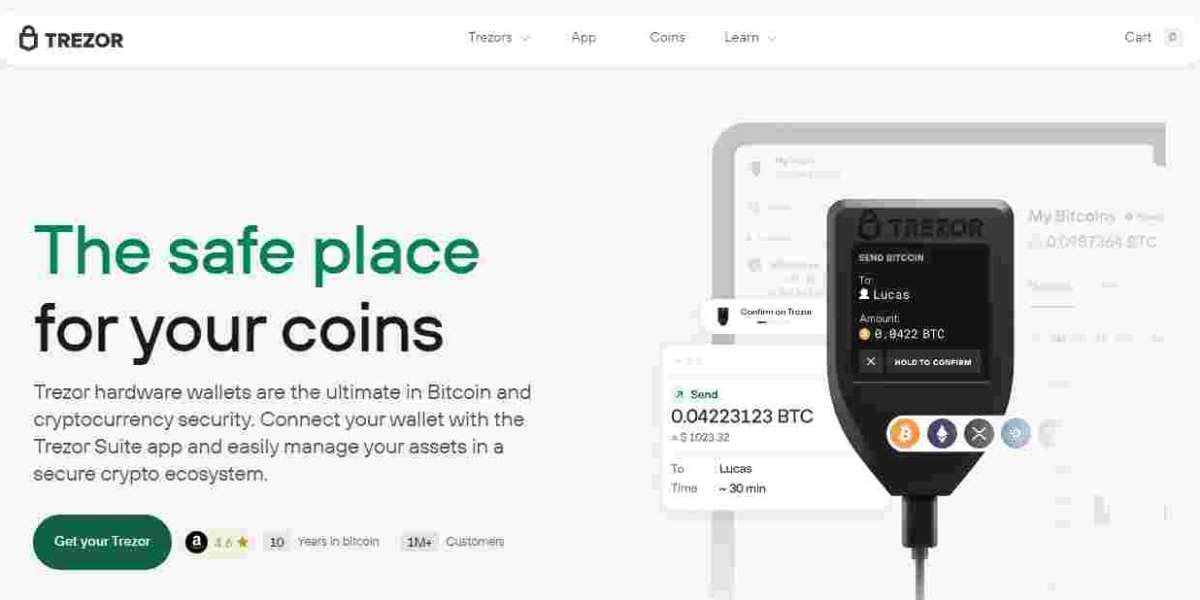
A Complete Guide to Setting Up Your Trezor Wallet at Trezor.io/start
In the world of cryptocurrency, securing your assets is paramount. While software wallets offer convenience, they are vulnerable to hacking and malware. Hardware wallets, like the Trezor, offer a more secure way to store your crypto by keeping your private keys offline. If you've recently purchased a Trezor hardware wallet, you’re probably wondering how to set it up safely. Don’t worry, we’ve got you covered! This guide will walk you through the Trezor.io/start process and provide all the information you need to securely begin your cryptocurrency journey.
What is Trezor Wallet?
Trezor is one of the leading brands in cryptocurrency hardware wallets, known for its reliability and security features. It allows users to store Bitcoin, Ethereum, and many other cryptocurrencies offline, making it virtually impossible for hackers to access your funds remotely. When you access your wallet via Trezor.io/start, you’ll initiate the setup process, which includes creating a secure recovery seed and connecting your device to the Trezor web interface.
Getting Started: Visit Trezor.io/start
To start the setup process for your new Trezor device, the first thing you need to do is visit the official Trezor.io/start webpage. This page is where you’ll initiate the setup and ensure that your device is genuine and secure.
Here’s how you can proceed:
Step 1: Unbox Your Trezor Device
Begin by carefully unboxing your Trezor hardware wallet. You should find the device itself, a USB cable, a recovery sheet for writing down your seed phrase, and some documentation. It’s important to make sure that everything is in place before proceeding with the setup process.
Step 2: Connect Your Trezor to Your Computer
Once you’ve unboxed the device, connect it to your computer using the USB cable provided. If your computer has no USB-A port, you may need a USB-C adapter, depending on the Trezor model you purchased (Trezor One or Trezor Model T).
Step 3: Go to Trezor.io/start
Open your web browser and navigate to Trezor.io/start. This will direct you to the official setup page where you’ll begin the process of setting up your wallet.
Step 4: Verify Your Device’s Authenticity
On the Trezor.io/start page, you’ll see an option to Verify Your Device. This is a crucial step to ensure that your Trezor wallet is genuine and hasn’t been tampered with during shipping. The Trezor website will display the Trezor device’s unique serial number. Check the number on your device to make sure it matches the one shown on the website.
By confirming the authenticity of your Trezor device, you reduce the risk of being a victim of a scam or fraud.
Step 5: Choose Your Language
Select your preferred language from the available list. This will make the setup process easier and more intuitive.
Step 6: Install the Trezor Bridge or Trezor Suite
Once your device is verified, you will be prompted to install either the Trezor Bridge (for web-based access) or the Trezor Suite (for a desktop app). The Trezor Suite is recommended for a more user-friendly experience and provides additional features such as portfolio management and transaction monitoring. Follow the on-screen instructions to download and install the appropriate software.
Step 7: Create a New Wallet
After installation, you’ll be prompted to create a new wallet. If you’re a first-time user, click on the option to “Create a New Wallet” and follow the instructions on the screen.
Step 8: Write Down Your Recovery Seed
Now comes one of the most critical steps in securing your Trezor wallet. Your device will generate a recovery seed, which is a series of 12 or 24 random words. This seed is essential for recovering your wallet if the device is lost, stolen, or damaged. Write down the recovery seed on the provided recovery sheet and store it in a safe place. Never store it digitally (e.g., on your phone or computer), as doing so could compromise your security.
Step 9: Confirm Your Recovery Seed
Once you’ve written down your recovery seed, you’ll be asked to confirm it by selecting the words in the correct order. This is to ensure that you have accurately written down your recovery phrase.
Step 10: Set a PIN Code
After confirming your recovery seed, you’ll be prompted to set up a PIN code for extra security. This PIN will be required every time you access your Trezor device. Choose a unique and strong PIN that you can remember, but one that isn’t easily guessable.
Step 11: Start Using Your Trezor Wallet
Once the setup process is complete, you’ll be taken to your wallet dashboard, where you can start managing your cryptocurrency holdings. From here, you can add accounts, receive crypto, and make transactions with ease and security.
Key Features of Trezor Wallet
- Offline Storage: Trezor’s offline storage method ensures that your private keys are never exposed to the internet.
- Multicurrency Support: Trezor supports hundreds of cryptocurrencies, making it an ideal choice for users with diverse portfolios.
- Strong Security: With features like PIN protection, a recovery seed, and the ability to confirm transactions on the device itself, Trezor provides robust security for your crypto assets.
- User-Friendly Interface: Trezor Suite offers a simple and intuitive interface for managing your funds with minimal effort.
Why Choose Trezor?
- Security First: Trezor's focus on security ensures that your cryptocurrency assets are safe from online attacks.
- Trusted Brand: Trezor has been a trusted name in the hardware wallet industry for years and continues to innovate with new features and improvements.
- Easy Setup: The setup process is streamlined and accessible, making it easy for beginners and experienced users alike to secure their assets.
Conclusion
Setting up your Trezor hardware wallet via Trezor.io/start is a simple yet crucial step in securing your cryptocurrency. By following the steps outlined above, you can ensure that your funds are kept safe in one of the most trusted hardware wallets on the market. Remember to always keep your recovery seed and PIN secure, as they are the keys to accessing your wallet.