Trezor® Wallet Login | Getting started — Trezor™
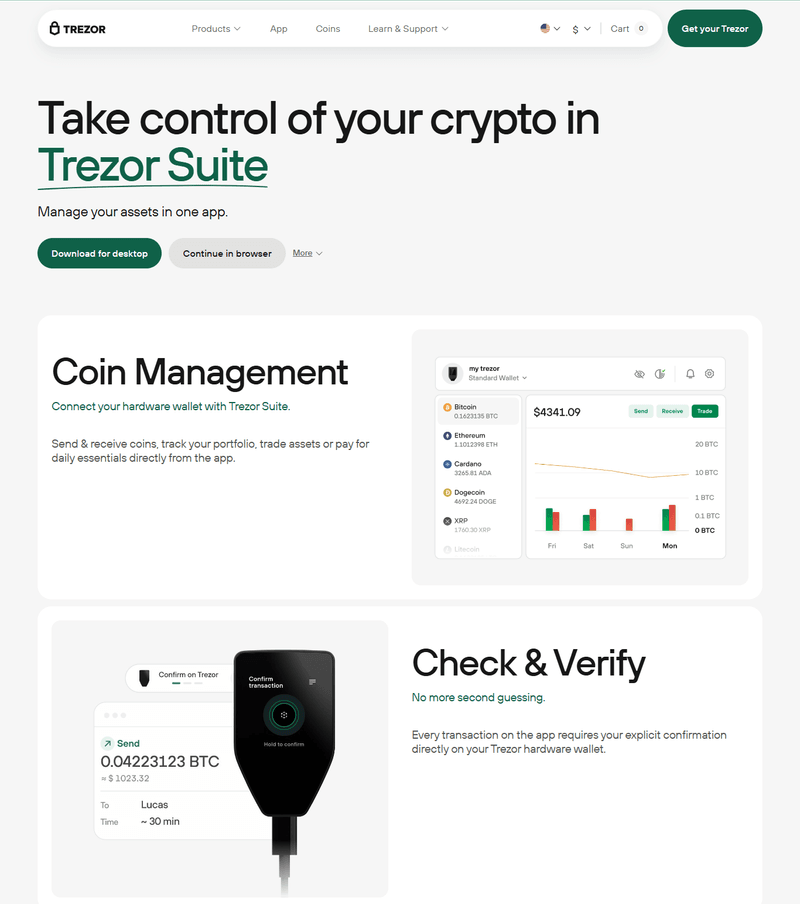
In the world of cryptocurrency, securing your digital assets is more important than ever. With the rise of digital currencies like Bitcoin and Ethereum, the need for robust security solutions has become paramount. One such solution is the Trezor hardware wallet. In this blog, we'll walk you through everything you need to know about Trezor login, from setup to security best practices.
What is Trezor?
Trezor is a hardware wallet developed by SatoshiLabs. It's one of the most trusted devices for securely storing cryptocurrency, offering a high level of protection against hacking, malware, and phishing attacks. Unlike software wallets that store private keys on your computer or phone, Trezor keeps them offline, reducing the risk of online theft.
Trezor supports a wide range of cryptocurrencies, including Bitcoin (BTC), Ethereum (ETH), Litecoin (LTC), and many others. It has gained popularity due to its ease of use, security features, and support for multiple currencies.
Setting Up Your Trezor Device
Before you can log in to your Trezor wallet, you’ll need to set up the device. Here's a step-by-step guide to get you started:
1. Unbox and Connect Your Trezor Device
- Unbox your Trezor wallet, which will typically include the hardware wallet itself, a USB cable, and a recovery seed card.
- Plug the Trezor device into your computer or mobile device using the provided USB cable.
2. Install Trezor Bridge (for desktop users)
- Trezor Bridge is a piece of software that allows your computer to communicate securely with the Trezor hardware wallet.
- If you're using a desktop, you'll need to install this software. Simply go to the Trezor website and follow the installation instructions.
3. Set Up Your Trezor Wallet
- After connecting your Trezor device, visit the Trezor web interface at https://wallet.trezor.io.
- You'll be prompted to set up your device. This includes choosing a PIN code and writing down your recovery seed phrase, which is a crucial backup in case your device is lost or damaged.
Note: The recovery seed is your key to restoring your funds if something happens to your Trezor device. Never store it digitally or share it with anyone.
How to Log in to Your Trezor Wallet
Now that your Trezor wallet is set up, it's time to log in. Here's how:
1. Connect Your Trezor Device
- Plug your Trezor device into your computer or mobile device via the USB cable.
2. Open Trezor Wallet Interface
- Navigate to the official Trezor Wallet interface by going to https://wallet.trezor.io.
- The interface will automatically detect your connected Trezor device.
3. Enter Your PIN
- Once your device is detected, you'll be prompted to enter your PIN code. This is the PIN you set during the setup process. It acts as an additional layer of security.
- On the Trezor screen, you will see a numeric keypad. Enter the PIN by tapping the numbers in the correct order.
4. Access Your Wallet
- After entering your PIN, you’ll be logged into the Trezor wallet interface. From here, you can view your balances, send/receive cryptocurrencies, and manage your assets.
Security Best Practices for Trezor Login
While Trezor is one of the most secure ways to store cryptocurrencies, it’s important to follow best practices to keep your assets safe.
1. Use a Strong PIN
- Choose a PIN that is difficult to guess. Avoid simple combinations like "1234" or "0000."
2. Enable Two-Factor Authentication (2FA)
- For an added layer of security, enable 2FA for your Trezor wallet. This ensures that even if someone gets access to your PIN, they’ll still need the second factor (usually a mobile device) to complete any transactions.
3. Keep Your Recovery Seed Safe
- The recovery seed is the most important part of your wallet’s security. Store it offline in a safe place, like a locked drawer or a fireproof safe. Never share it with anyone or store it on your computer.
4. Check for Firmware Updates
- Trezor regularly releases firmware updates to improve security and add new features. Make sure your device’s firmware is always up to date by visiting the Trezor web interface.
5. Avoid Phishing Scams
- Be cautious of phishing attempts that try to trick you into revealing your PIN or recovery seed. Always make sure you’re on the official Trezor website and never follow links from suspicious emails.
Troubleshooting Common Trezor Login Issues
While Trezor offers a secure and user-friendly experience, you might run into some issues during login. Here are some common problems and solutions:
1. Device Not Detected
- Ensure that your Trezor is properly connected via the USB cable.
- Try using a different USB port or cable if necessary.
- Make sure you have the latest version of Trezor Bridge installed if you're using a desktop.
2. Forgotten PIN
- If you’ve forgotten your PIN, you can reset the device by entering the recovery seed and setting a new PIN.
3. Stuck on Firmware Update
- If your Trezor is stuck during a firmware update, try restarting the device and repeating the update process. If that doesn’t work, contact Trezor support for assistance.
Conclusion
Trezor provides one of the most secure ways to store and manage your cryptocurrencies. With its simple yet effective login process, coupled with robust security features like a PIN and recovery seed, it’s an excellent choice for anyone looking to protect their digital assets.